

Welcome to our comprehensive guide on successfully importing and marketing chia seeds in the USA. Chia seeds have gained immense popularity in recent years due to their numerous health benefits and versatility in various dishes. In this guide, we will provide you with essential information on the benefits and nutrition of chia seeds, recipes using chia seeds, where to buy them, and how to incorporate them into your diet. Whether you are an entrepreneur looking to tap into the growing demand for chia seeds or a food manufacturer seeking to establish a steady supply, this guide will navigate you through the import process and help you succeed in the American market.
Key Takeaways:
- Chia seeds offer numerous health benefits and are rich in essential nutrients.
- Recipes using chia seeds can be easily incorporated into your diet.
- Finding reliable suppliers and understanding import regulations are crucial for successful chia seed importation.
- The USA market has a growing demand for chia seeds due to increased consumer awareness of their health benefits.
- Consider the environmental impact of importing chia seeds and explore the viability of domestic chia seed production.
Understanding Superfoods and Functional Foods
Superfoods and functional foods are terms often used interchangeably, but they have distinct meanings. While superfoods are marketed for their high nutritional content, functional foods have scientifically proven health benefits. It is important to understand the difference between the two and the regulations surrounding their marketing.
Superfoods are known for their exceptional nutritional content, such as vitamins, minerals, and antioxidants. They are often rich in essential nutrients that support overall health and well-being. Examples of superfoods include chia seeds, spinach, blueberries, and salmon. These foods are highly valued for their potential to boost the immune system, improve energy levels, and support weight management.
On the other hand, functional foods are specifically formulated or modified to provide health benefits beyond basic nutrition. These foods have been scientifically tested and proven to have positive effects on the body and improve overall health outcomes. Functional foods often contain added ingredients or are processed in a way that enhances their functional properties. Examples of functional foods include probiotic yogurt, fortified cereals, and omega-3 enriched eggs.
When marketing functional foods, it is crucial to comply with regulations set by government agencies, such as the Food and Drug Administration (FDA). These regulations ensure that claims made about the health benefits of functional foods are supported by scientific evidence. Companies must be transparent and truthful in their marketing practices to build consumer trust and meet regulatory standards.
With the growing interest in superfoods and functional foods, consumers are increasingly seeking out products that offer both nutritional value and proven health benefits. By understanding the distinction between the two and adhering to regulations, businesses can effectively market these products and tap into the growing demand for healthier food options.
Table: Comparison of Superfoods and Functional Foods
| Superfoods | Functional Foods |
|---|---|
| High nutritional content | Scientifically proven health benefits |
| Support overall health and well-being | Provide health benefits beyond basic nutrition |
| Rich in vitamins, minerals, and antioxidants | Formulated or modified to enhance functional properties |
| Boost the immune system, improve energy levels, and support weight management | Have specific health benefits, such as improving heart health or digestive function |
| Examples: Chia seeds, spinach, blueberries, salmon | Examples: Probiotic yogurt, fortified cereals, omega-3 enriched eggs |
Spotlight on Açaí: History, Nutritional Value, and Global Demand
Açaí, the dark-purple fruit native to the Brazilian Amazon region, has garnered significant attention in recent years due to its exceptional nutritional content and health benefits. Rich in antioxidants, açaí is believed to possess disease-fighting properties and has become increasingly popular as an energy-boosting superfood. This section delves into the fascinating history of açaí, explores its impressive nutritional value, and examines the global demand for this extraordinary fruit.
For centuries, açaí has been a staple in the diet of indigenous communities of the Amazon rainforest. Traditionally consumed as a pulp, the fruit is now widely recognized for its antioxidant properties. Açaí contains anthocyanins, which give it its deep purple color and also contribute to its potent antioxidant activity. These antioxidants help neutralize harmful free radicals in the body, reducing the risk of chronic diseases like heart disease and certain types of cancer.
As the demand for healthy and natural energy-boosting products has surged, açaí has emerged as a popular ingredient in energy drinks and supplements. Its naturally high lipid content makes it an excellent source of sustainable energy, which has further contributed to its rising global demand. Brazil, as the largest producer of açaí, meets approximately 85% of the global demand, but other countries, including Colombia and Guyana, have also recognized the economic potential of açaí and are now involved in its production.
The Global Market for Açaí
The global market for açaí has experienced significant growth in recent years and is projected to exceed $2 billion by 2026. The increasing consumer awareness of the nutritional benefits of açaí, coupled with its versatility as an ingredient, has propelled its popularity worldwide. Açaí is not only consumed as a fruit or added to energy drinks, but it is also used in various food products such as smoothies, bowls, and desserts. As health-conscious consumers continue to seek natural and nutrient-rich options, the demand for açaí is expected to continue its upward trajectory.
| Countries | Production Percentage |
|---|---|
| Brazil | 85% |
| Colombia | 5% |
| Guyana | 2% |
| Other Countries | 8% |
In conclusion, açaí is a remarkable fruit that combines a fascinating history, outstanding nutritional value, and growing global demand. Its antioxidant properties, energy-drink potential, and versatile uses have made it a sought-after ingredient in the modern food and beverage industry. As the market for natural and health-enhancing products continues to expand, açaí is well-positioned to maintain its significant presence and capture the attention of consumers worldwide.
Exploring Chia Seeds: Origins, Nutritional Value, and Market Demand
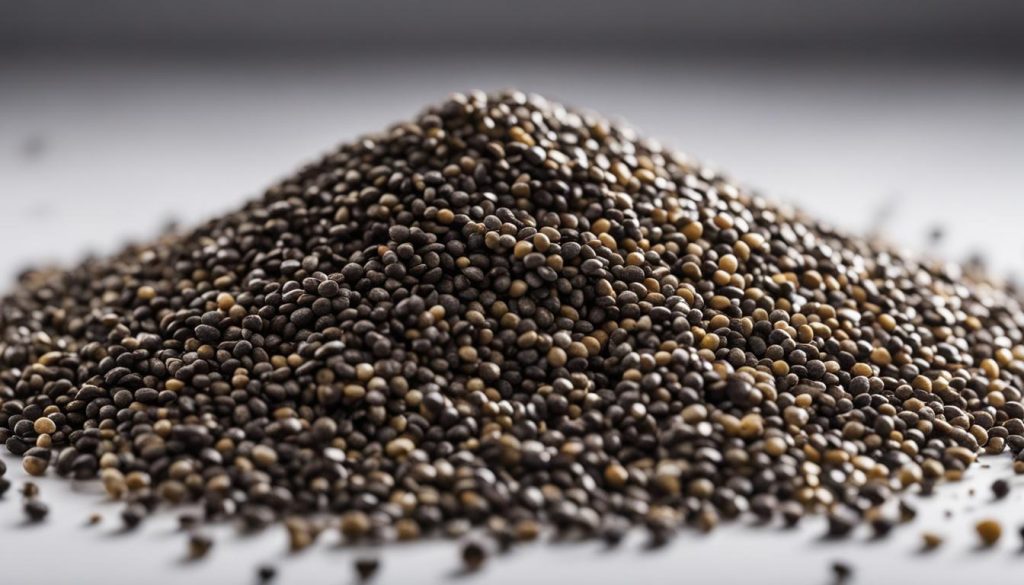
Chia seeds have a rich history that dates back centuries, having been a staple food for the ancient Aztecs. These tiny seeds are packed with nutrition, making them a popular choice for health-conscious individuals. Chia seeds are particularly known for their high fiber content, providing numerous benefits for digestive health. Additionally, they are a rich source of omega-3 fatty acids, which are essential for heart health and brain function.
The production of chia seeds is primarily concentrated in South America, with countries like Paraguay, Bolivia, and Argentina leading the way. However, other regions such as Africa and Australia have also recognized the market demand for chia seeds and expanded their production. As consumers become more aware of the health benefits associated with chia seeds, the demand for these nutritious seeds continues to grow.
“Chia seeds are an excellent source of fiber and omega-3 fatty acids, making them a valuable addition to a healthy diet.” – Nutritionist Sarah Thompson
A Comparison of Chia Seeds and Other Superfoods
When it comes to superfoods, chia seeds stand out due to their impressive nutritional profile. Let’s compare chia seeds with other popular superfoods to see how they measure up:
| Superfood | Nutritional Content | Health Benefits |
|---|---|---|
| Chia Seeds | High in fiber and omega-3 fatty acids | Supports digestive health, heart health, and brain function |
| Quinoa | Complete protein, rich in vitamins and minerals | Provides essential amino acids, supports weight loss, and reduces the risk of chronic diseases |
| Kale | Rich in vitamins A, C, K, and antioxidants | Provides immune support, promotes bone health, and supports healthy vision |
As shown in the table, chia seeds offer a unique combination of fiber and omega-3 fatty acids, setting them apart from other superfoods. Incorporating chia seeds into your diet is a simple and effective way to enhance your overall well-being.
Marketing and Consumer Awareness of Açaí and Chia Seeds
As the demand for superfoods continues to rise, marketing strategies play a crucial role in promoting and increasing consumer awareness of popular options like açaí and chia seeds. These nutrient-dense powerhouses have gained significant popularity among health-conscious individuals, both in Brazil and across the globe.
In the United States, açaí and chia seeds are marketed as nutritional products that offer a wide range of health benefits. Advertisements often highlight their antioxidant properties, omega-3 fatty acids, and high fiber content. This approach aims to attract consumers looking to improve their overall well-being and adopt a healthier lifestyle.
The Asia-Pacific region, including emerging markets like China and India, presents a significant growth opportunity for the açaí market. With their increasing purchasing power and growing interest in health-focused products, consumers in these regions are open to exploring the benefits of açaí. Therefore, effective marketing strategies targeting these markets can help drive further growth and consumer adoption.
Consumer awareness of chia seeds has also experienced a notable increase, reflecting the rising number of U.S. consumers who are familiar with chia as a food item. According to market research, the chia market has witnessed steady growth due to the versatility and nutritional value of these tiny seeds.
Food manufacturers and distributors have utilized various marketing tactics to promote chia seeds, such as highlighting their ability to enhance energy levels, aid in weight management, and boost digestive health. Additionally, the use of chia seeds in popular recipes and the endorsement of celebrities and influencers have played a significant role in creating consumer awareness and increasing demand for chia seeds.
Overall, effective marketing strategies, including targeted advertisements, endorsements, and educational content, have successfully raised consumer awareness of açaí and chia seeds. The continual efforts to promote these superfoods in various markets worldwide have contributed to their growing popularity and market demand.
| Marketing Strategies for Açaí | Marketing Strategies for Chia Seeds | |
|---|---|---|
| 1 | Highlight antioxidant properties and nutritional value | Emphasize energy-boosting benefits and digestive health |
| 2 | Target the Asia-Pacific region for market expansion | Utilize popular recipes and endorsements to create consumer awareness |
| 3 | Focus on health-conscious consumers in the United States | Create educational content to educate consumers about chia seed benefits |
The Viability of Growing Chia Seeds in the USA and its Benefits for Manufacturers
Recent developments in the agricultural industry have sparked interest in exploring the viability of growing chia seeds in the USA. Traditionally, chia seeds have been imported from countries near the equator. However, American farmers have started experimenting with early flowering chia seeds that do not require genetic modification. This presents a promising opportunity for food manufacturers in the USA to access a local supplier and establish a steady supply of high-quality chia seeds.
USA-grown chia seeds offer several benefits for manufacturers. Firstly, having a local supplier reduces the reliance on imports, mitigating the risks associated with long transport routes and ensuring a shorter supply chain. This contributes to improved freshness and quality control. Manufacturers can also take advantage of the higher profit margins associated with sourcing chia seeds locally, as it eliminates the costs and complexities associated with international shipping and import regulations.
It is worth noting that the nutritional content of USA-grown chia seeds is comparable to their South American counterparts. This allows manufacturers to offer the same health benefits and nutritional value to consumers while supporting the local economy and reducing environmental impact. By establishing a stable, high-quality U.S. supply of chia seeds, manufacturers can meet the growing market demand for this superfood and cater to the increasing consumer preference for domestically sourced products.
| Benefits of USA-Grown Chia Seeds for Manufacturers |
|---|
| Access to a local supplier |
| Steady supply of high-quality seeds |
| Reduced reliance on imports |
| Shorter supply chain and improved freshness |
| Higher profit margins |
| Comparable nutritional content to imported seeds |
Overall, the increasing viability of growing chia seeds in the USA presents an exciting opportunity for manufacturers. By embracing domestic cultivation, food businesses can enjoy the benefits of a local supplier, steady supply, higher profit margins, while meeting consumer demand for sustainably sourced chia seeds.

How to Incorporate Chia Seeds into Your Diet: Recipes and Tips
Chia seeds are a versatile and nutritious addition to any diet. From chia seed pudding to incorporating them into baked goods, there are numerous creative ways to enjoy the health benefits of chia seeds. Here are some recipes and tips to help you incorporate this superfood into your daily meals:
Chia Seed Pudding
Chia seed pudding is a popular and easy-to-make recipe that can be enjoyed as a healthy breakfast or snack. Simply mix chia seeds with your choice of milk (such as almond milk or coconut milk) and a sweetener like honey or maple syrup. Let the mixture sit in the refrigerator overnight, and in the morning, you’ll have a delicious and creamy pudding packed with fiber and omega-3 fatty acids.
Chia Seed Toppings
Add a crunchy and nutritious twist to your salads, soups, or yogurt by sprinkling chia seeds on top. They add a delightful texture and subtle nutty flavor. You can also mix chia seeds with your favorite nuts and seeds to create a homemade granola or trail mix.
Chia Seeds in Baking
Chia seeds can be used as a substitute for eggs or butter in baking recipes. To replace eggs, simply mix one tablespoon of chia seeds with three tablespoons of water and let it sit for a few minutes until it forms a gel-like consistency. Use this chia gel as you would an egg in your favorite baked goods. Additionally, you can blend chia seeds into flour or use them as a topping for breads and muffins to add an extra nutritional boost.
By incorporating chia seeds into your diet with these recipes and tips, you can enjoy the health benefits of this superfood and explore its culinary versatility. Experiment with different combinations and discover your favorite ways to incorporate chia seeds into your meals.
| Chia Seed Pudding Recipe | Ingredients | Instructions |
|---|---|---|
| Vanilla Chia Seed Pudding |
|
|
| Chocolate Chia Seed Pudding |
|
|
Chia Seeds vs. Flax Seeds: A Comparison of Health Benefits
Chia seeds and flax seeds are both highly regarded for their nutritional value and health benefits. Let’s take a closer look at how these two superfoods compare in terms of omega-3 fatty acids, calcium, and vitamin B1 content.
Omega-3 Fatty Acids:
Chia seeds are an excellent source of omega-3 fatty acids, providing around 4.9 grams per ounce. Flax seeds, on the other hand, contain slightly more omega-3 fatty acids, with approximately 6.3 grams per ounce. Both seeds are rich in alpha-linolenic acid (ALA), a type of omega-3 fatty acid that plays a crucial role in heart health and brain function.
Calcium:
When it comes to calcium content, chia seeds take the lead. A single ounce of chia seeds contains about 179 milligrams of calcium, while flax seeds contain around 50 milligrams per ounce. Calcium is essential for maintaining healthy bones and teeth and plays a vital role in muscle function.
Vitamin B1:
Vitamin B1, also known as thiamine, is important for converting food into energy and maintaining proper nerve function. Chia seeds contain approximately 0.2 milligrams of vitamin B1 per ounce, while flax seeds have a lower content, with around 0.1 milligrams per ounce.
Overall, both chia seeds and flax seeds offer numerous health benefits and are valuable additions to a balanced diet. Incorporating these nutrient-rich seeds into your meals can provide your body with essential omega-3 fatty acids, calcium, and vitamin B1. It’s important to note that while chia seeds have a higher omega-3 fatty acid content, both seeds can contribute to a healthy lifestyle when consumed in moderation.
Table: Nutritional Comparison of Chia Seeds and Flax Seeds
| Nutrient | Chia Seeds (per ounce) | Flax Seeds (per ounce) |
|---|---|---|
| Omega-3 Fatty Acids | 4.9 grams | 6.3 grams |
| Calcium | 179 milligrams | 50 milligrams |
| Vitamin B1 | 0.2 milligrams | 0.1 milligrams |
Potential Disadvantages of Chia Seeds and Intestinal Preparation
While chia seeds offer numerous health benefits, it is important to be aware of potential disadvantages and take necessary precautions. One of the common concerns associated with chia seeds is their effect on digestion. Some individuals may experience bloating or a feeling of fullness after consuming chia seeds. This can be attributed to their high fiber content, which absorbs water and expands in the stomach. To mitigate these digestive issues, it is recommended to start with small quantities of chia seeds and gradually increase the intake as your body adjusts.
It is also crucial to remember that chia seeds should be consumed with sufficient fluid. The ability of chia seeds to absorb water can lead to dehydration if not accompanied by adequate hydration. The general guideline is to consume at least one cup of water for every tablespoon of chia seeds consumed. This ensures that the seeds can absorb water properly and move through the digestive system without causing discomfort.
“Start with small quantities of chia seeds and gradually increase the intake as your body adjusts.”
In addition to potential digestive issues, chia seeds can also pose challenges for individuals with certain intestinal conditions. While these conditions vary, some people with diverticulitis or diverticulosis may find that the small seeds can get trapped in the pockets of the intestines, causing irritation or inflammation. It is crucial for individuals with such conditions to consult with their healthcare provider before incorporating chia seeds into their diet.
Intestinal Preparation and Chia Gel
To alleviate intestinal problems and facilitate digestion, a common practice is to prepare chia gel. Chia gel is made by soaking chia seeds in water, allowing them to absorb the liquid and form a gel-like consistency. This gel can be consumed directly or used as a thickening agent in various recipes, such as smoothies, puddings, or baked goods. The gel-like texture of chia gel helps to break down the fiber in chia seeds, making them easier to digest and reducing the likelihood of digestive discomfort.
To prepare chia gel:
- In a container, mix 1/4 cup of chia seeds with 1 cup of water.
- Stir well to ensure the seeds are evenly distributed.
- Let the mixture sit for at least 15 minutes, stirring occasionally until it thickens into a gel-like consistency.
- Store the chia gel in the refrigerator for up to one week.
Adding chia gel to your diet can aid in preventing digestive issues and enhance the overall digestibility of chia seeds.
| Disadvantage | Recommendation |
|---|---|
| Digestive issues such as bloating or a feeling of fullness | Start with small quantities and gradually increase intake. Consume chia seeds with sufficient fluid. |
| Intestinal conditions like diverticulitis or diverticulosis | Consult with a healthcare provider before incorporating chia seeds into the diet. |
| Facilitating digestion | Prepare chia gel by soaking chia seeds in water for at least 15 minutes until a gel-like consistency forms. Use chia gel as a thickening agent or consume it directly. |
Environmental Impact of Chia Seed Imports and Conclusion
The long transport routes involved in importing chia seeds have significant environmental implications. The carbon emissions from shipping chia seeds thousands of miles from their countries of origin contribute to climate change and air pollution. Additionally, the reliance on long transport routes increases the overall carbon footprint of chia seed imports. It is essential to consider the environmental impact of our consumption choices and seek sustainable alternatives.
“The carbon emissions from shipping chia seeds thousands of miles from their countries of origin contribute to climate change and air pollution.”
One possible solution to reduce the environmental impact of chia seed imports is to establish local chia seed production in the USA. By growing chia seeds domestically, we can significantly reduce the carbon emissions associated with long transport routes. USA-grown chia seeds can provide a more sustainable and environmentally conscious alternative to imported chia seeds, ensuring a steady supply while minimizing the carbon footprint.
In conclusion, the environmental impact of chia seed imports calls for a shift towards sustainable practices. By supporting local chia seed production and reducing reliance on long transport routes, we can contribute to a more eco-friendly food industry. It is crucial for businesses and consumers alike to consider the environmental consequences of the products we consume and make choices that promote sustainability.
| Key Points | Benefits |
|---|---|
| Long transport routes of chia seed imports | Increased carbon emissions and air pollution |
| Establishing local chia seed production | Reduces carbon footprint and ensures a sustainable supply |
| The importance of considering the environmental impact | Promotes sustainability and supports eco-friendly practices |
Conclusion
In conclusion, this guide has provided valuable information on successfully importing chia seeds in the USA. With their numerous health benefits and increasing market demand, chia seeds present a lucrative opportunity for entrepreneurs and food manufacturers. By following the guidelines in this guide, you can navigate the import process and establish a thriving chia seeds business.
Chia seeds have gained popularity among health-conscious consumers due to their nutritional value and versatility. As a superfood, chia seeds offer a wide range of health benefits, including high fiber content and omega-3 fatty acids. The growing interest in superfoods and functional foods makes chia seeds a compelling product to introduce into the American market.
While traditionally imported from South America, there is potential for growing chia seeds domestically in the USA. This offers the advantage of a local supplier and a steady supply of high-quality seeds, ultimately benefiting food manufacturers. By tapping into the growing demand for chia seeds and capitalizing on their health benefits, entrepreneurs can establish a strong presence in the market.
With the right knowledge and strategies outlined in this guide, importing chia seeds into the USA can be a successful endeavor. Chia seeds are not only a nutritious addition to a balanced diet but also a promising business opportunity in the health food industry.
FAQ
What are the health benefits of chia seeds?
Chia seeds are rich in fiber, omega-3 fatty acids, and other nutrients, which can support digestion, heart health, and overall well-being.
Where can I buy chia seeds?
Chia seeds are widely available in health food stores, supermarkets, and online retailers. They can be purchased in bulk or pre-packaged.
How can I incorporate chia seeds into my diet?
Chia seeds can be added to smoothies, yogurt, oatmeal, or used as an egg or butter substitute in baking. They can also be used as a topping for salads or incorporated into baked goods.
Are there any potential side effects of consuming chia seeds?
Consuming excessive amounts of chia seeds may cause bloating or a feeling of fullness. It is important to follow the recommended intake and ensure sufficient fluid consumption.
Are chia seeds and flax seeds the same?
While both are highly nutritious, chia seeds are richer in omega-3 fatty acids, calcium, and vitamin B1 compared to flax seeds.
How can I alleviate intestinal problems using chia seeds?
Chia seeds can be prepared as a gel to help alleviate diarrhea or constipation. Soaking the seeds in water until they form a gel-like consistency can aid in digestion.
What is the environmental impact of importing chia seeds?
Importing chia seeds from South America and Central Mexico results in long transport routes, which has an environmental impact. It is important to consider the sustainability of consumption choices.